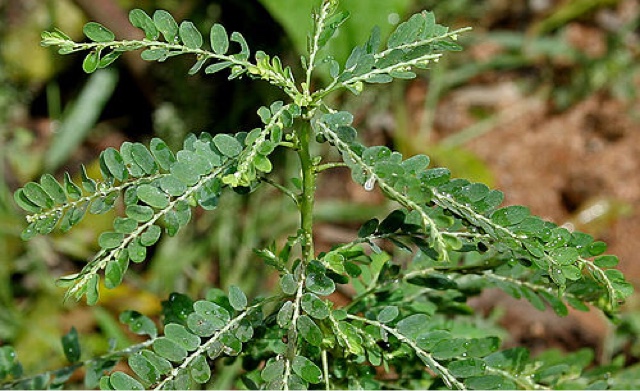
The total phenolic content (TPC) and antioxidant activity of fresh and dried Phyllanthus amarus plant materials were evaluated using the Folin-Ciocalteau method, 2,2-diphenyl-1-picrylhydrazyl (DPPH) free radical scavenging activity and ferric reducing antioxidant power (FRAP) assays. Different drying treatments led to significant reduction (P<0.05) in antioxidant properties of P. amarus methanolic extracts, with microwave drying causing the highest decrease in TPC and antioxidant activity exhibited by the reduction in both radical scavenging activity and FRAP. On the other hand, boiling water extracts appeared to exhibit significantly stronger antioxidant potentials (P<0.05) even in dried plant materials due to greater solubility of compounds, breakdown of cellular constituents as well as hydrolysis of tannins. Its strong free radical scavenging activity suggests that it has great potential in the food industry as functional food ingredient
sábado, 23 de enero de 2016
Phyllanthus amarus Schum Thonn
Sat, 14 Mar 2015 | Medicinal Plants
(Euphorbiaceae)
Phyllanthus amarus herbs
Description:
Phyllanthus amarus Schum. & Thonn is a small herbaceous annual plant that can grow up to 60
cm tall. Leaves are simple, alternate, green and stipulate. The blade is 3-8 mm by 2-4.5 mm and
oblong-elliptic. The fruits are green, depressed globose in shape, 3-lobed and smooth. Both the
flowers and fruits are borne under the branches/1'21
Origin:
Native to Mexico and South America.
Phytoconstituents:
Phyllanthusin D, geraniin, corilagin, elaeocarpusin, ama-riin, amariinic acid, amarosterol-A and B,
phyllantin, hypophyllantin and others.
Traditional Medicinal Uses:
The aerial part of the plant is used for various conditions. In Chinese medicine, the plant is made
into a tea to cure kidney problems, venereal diseases, stones in the kidneys and bladder. The
Malays use it to increase menstrual flow, reduce fever and cure colic. It is used by the Indians as a
fish poison. Indians also use the plant as liver tonic to treat liver ailments, ascites, jaundice,
diarrhoea, dysentery, intermittent fever, conditions of the urogenital tract, eye disease, scabies,
ulcers and wounds. In Vietnam, it is used to induce sweating, and increase menstrual flow. It is
also prescribed for toothache, muscle spasms and gonorrhoea. It is considered a diuretic, colic
remedy and abortifacient in Southeast Asia. It is also commonly used in Benin, Africa, as folk
medicine against malaria.
Pharmacological Activities:
Analgesic, Antibacterial, Antidiarrhoeal, Antifertility, Antifungal, Anti-inflammatory, Antineoplastic,
Antioxidant, Antiplasmodial, Antiviral, Diuretics, Hepatoprotective, Hypoglycaemic, Inhibition of
gastric lesion, Antimutagenic, Insecticidal and Radioprotective.
Dosage:
A decoction may be prepared with 10 plants in 1 L of water.
Adverse Reactions:
No known side effects with therapeutic dosages.
Toxicity:
Non-toxic to mice at a dose of 100 mg/kg body weight but at doses of 400 mg/kg, 800 mg/kg and
1000 mg/kg body weight in rats.
Contraindications: No information as yet.
Drug-Herb Interactions: An alcoholic extract of P. amarus was found to inhibit cytochrome P450
enzymes both in vivo as well as in vitro.
miércoles, 20 de enero de 2016
16 Amazing Benefits Of Bael Juice For Skin, Hair And Health
What Is Bael Fruit?
This fruit, also known as the Wood Apple, is native to India but can also be found in Southeast Asia. It is considered as a sacred tree for Hindu’s due to its medicinal benefits stemming back to 2000BC and its ability to grow in places that other trees cannot.
Bael Fruit has a hard woody shell that can only be cracked using a machete or hammer. It takes about 11 months to ripen on the tree and can grow to the size of a grapefruit.
Benefits Of The Bael Fruit
* Gastrointestinal problems: cures problems such as constipation, stomach aches, stomach ulcers or excess acid.
* Antimicrobial properties: the essential oils of the bael fruit are effective against 21 types of bacteria. Researchers have found that extracts of this fruit has anti viral and anti fungal properties.
* Inhibits bacteria adherence to the gut
* Anti-inflammatory properties that help the healing of mouth ulcers and infections in the body.
* Diarrhea and Hemorrhoids
* Controls cholesterol
* Aid with respiratory problems such as asthma by using the oil extracts of this fruit.
How To Use Bael Fruit
You can find dried bael in local Asian groceries, in particular Thai and Indian grocers. Health food stores and vitamin shops carry bael fruit essential oils and extracts.
To make bael fruit tea on the stove, place 2 slices of the dried bael fruit in a pot with 4 cups of water. Boil for 5 mins.
Alternatively, you can make this tea in the microwave by first placing the dried bael in a small cup with water ¼ filled. Place in microwave for 1 minute on HIGH. Add boiling water to fill the cup.
The tea has an orangey color and a soft woody taste. You can have this tea hot or iced.
16 Amazing Benefits Of Bael Juice For Skin, Hair And Health
Bael, also known as bilwa is a vital tree in Indian culture which is mostly planted around temples. This tree has many medicinal properties. The fruit is hard, woody and smooth with sweet flesh inside that can be consumed fresh or dried. They are also mixed with beverages and desserts with sugar or jaggery. Beal fruit, also known as wood apple, contains protein, beta-carotene, vitamins, thiamine, riboflavin and vitamin C.
All parts of the tree are used for medicinal purposes, but bael juice is the most common way to stay fit and health. Let us see the top 16 benefits of bael fruit juice, a wonderful gift of nature:
Bael Juice Benefits:
1. Heart diseases:
Mix the juice of ripe bael fruit with some ghee. Include this mixture in your daily diet to prevent heart related diseases like heart strokes and attacks. This can reduce blood glucose levels by nearly 54%.
2. Gastro protection properties:
This magical juice can cure gastric ulcers that are caused due to the imbalance of mucosa levels or oxidative stress in gastric tract. The phenolic compounds present in this juice are filled with antioxidants to reduce gastric ulcers.
3. Cholesterol control:
Bael juice helps in cholesterol control and also reduces blood cholesterol levels. Bael juice controls triglycerides, serum and tissue lipid profiles.
4. Antimicrobial properties:
Bael juice has antimicrobial properties. The extracted juice is used to control fungal and viral infections. They have antimicrobial properties since the juice contains cuminaldehyde and eugenol in it.
5. Anti-inflammatory properties:
Bael juice contains anti-inflammatory properties that are used to reduce histamine induced contractions. This also gives positive results to relax and sooth inflamed organs.
6. Constipation:
Bael fruit juice is best consumed remedy to reduce constipation and stomach pain. This contains laxative properties to clean and tone the intestines. Drinking this regularly for 2-3 months will reduce sub-chronic constipation. You can mix this with sugar and drink twice a day to ease stomach pain for kids. Add some black pepper and salt to the juice to remove toxins from the intestines.
7. Dysentery and diarrhoea:
In ayurveda, this is said to cure diarrhoea and dysentery without fever. You can also mix it with jaggery or sugar.
8. Cooler:
Drink bael fruit juice with honey to cure acidity. You can also apply this on your tongue to cure mouth ulcers. Drink bael juice before lunch or dinner to reduce heat and thirst from body. This can be the best drink during the scorching summers!
9. Skin rash:
Mix 30ml of bay leaf juice, cumin with bael juice and drink it twice a day to cure urticaria. This can also be beneficial for skin rash and its symptoms like pale red, raised, itchy bumps.
10. Breast milk:
Wood apple juice can be consumed with dry ginger powder and jaggery by the infant mothers. This helps to produce more milk for the infants.
11. Cancer:
Consume this juice regularly to prevent or cure breast cancer.
12. Blood purifier:
Mix 50 gms pulp juice with some warm water and sufficient honey. This drink will help you to purify your blood.
13. Haemorrhoids:
Tannin in the bael fruit juice is useful to cure diarrhoea, cholera, haemorrhoids and vitiligo. This is also helpful in the anaemia, ear and eye disorders treatment. In ayurveda, the juice is mixed with turmeric and ghee and spread on fractured bones to treat fracture.
14. Scurvy:
Scurvy is a disease that occurs due to the deficiency of vitamin c. This has harmful effects on the blood vessels. Bael juice is a good source of vitamins and cures this disease.
15. Respiratory problems:
The juice of bael fruit can cure respiratory problems such as asthma or cold. This also gives resistance to cold.
16. Control diabetes:
Bael juice contains laxatives that are helpful to control the blood sugar levels. It stimulates the pancreas and helps them in enough production of insulin that controls sugar level in the blood.
martes, 19 de enero de 2016
Jiaogulan Tea, The Herb of Immortality.
It regulates blood fat, lowers cholesterol level, helps to build immunity, delays the aging process, prevents cells from turning cancerous and prevents arteriosclerosis.
Scientific research studies in China have shown that Jiaogulan (Jiao Gu Lan) decreases cholesterol by improving the liver's ability to send sugar and carbohydrates to the muscles for conversion to energy instead of turning the sugar into triglycerides which the body stores as fat.
It lowers LDL's (bad cholesterol) while raising HDL's (good cholesterol). It improves fat metabolism, reduces blood fat levels and depresses lipid peroxide and fat sediment in the blood vessels.
While it is great for rectifying high cholesterol and obesity problems, it can also improve and strengthen the digestion, allowing an underweight person to increase absorption of nutrients and gain weight in the form of lean muscle mass.This regulatory effect on bodily functions is the hallmark of an adaptogen.
This is all-natural healthy, herbal, product from the plant Jiaogulan.
Jiaogulan prevents cells from turning cancerous and also inhibits the growth of tumors already formed by stimulating the body's immune system cells. Cancer patients given Jiaogulan show marked improvement in white blood cell count antibody levels, and raised T and B lymphocyte levels.
Jiaogulan is one of the best broad-spectrum adaptogenic herbs known, containing polysaccharides, amino acids, vitamins, minerals, flavones, saponins and many essential trace elements. Very safe for long-term use. Highly effective in reducing the side-effects of radiation and chemotherapy by boosting the immune system.
Athletes use Jiaogulan to enhance their performance because it enhances the heart pumping function, improving contraction of the heart muscle. The most pronounced benefits are increased endurance during strong physical activity, and more rapid recovery afterwards.
Jiaogulan contains 84 beneficial saponins - three times more than ginseng, yet it has no side-effects. Due to its significantly higher quantity of beneficial saponins, it has been widely studied and used worldwide, including for patients recovering from exposure to ultraviolet, beta and gamma-rays. It also dramatically reduces cholesterol levels, normalizes blood pressure, protects the heart, and increases fat metabolism.
Over 300 scientific research findings back up nearly every claim for Jiaogulan (also known as Gynostemma pentaphyllum). Jiaogulan is a superb immune-enhancer and antioxidant for all ages.
Cancer Protection - Jiaogulan prevents cells from turning cancerous and also inhibits the growth of tumors already formed by stimulating the body's immune system cells. Cancer patients given Jiaogulan show marked improvement in white blood cell count antibody levels, and raised T and B lymphocyte levels. It has been shown that Jiaogulan has activity against esophagal, lung, breast, uterus, prostate, brain, kidney, thymus and skin cancer.
Reduce the Risk of Strokes and Heart Attacks - Jiaogulan dramatically decreases the chances of a stroke by inhibiting blood platelets from "sticking together," which prevents a stroke-inducing blood clot from forming. This same action prevents artery clogging, reducing risk of a heart attack.
Build Your Immune System - In China, doctors prescribe daily doses of Jiaogulan for patients recovering from heart and brain surgery, because the herb supports the immune system, aiding in a quicker and more effective recovery. Patients undergoing cancer therapies such as radiation and chemotherapy receive Jiaogulan as well. Research has shown that Jiaogulan can increase the white blood cell count, which strengthens resistance, thus improving the patients' ability to recover.
Stay Younger Longer. Biochemist Subbuti Dharmenanda says that signs of aging are avoidable if you can tame the free radicals that cause them. "If free radicals aren't shut down, they cause everything from cataracts to cancer.” But studies show that taking just 40 mg of Penta daily triples production of superoxide dismutase, a chemical that neutralizes free radicals by 21%.
Bronchitis. Penta (Jiaogulan) tea has been traditionally used as a remedy for bronchitis. In one study, the effectiveness rate of using Penta tea to treat chronic bronchitis was 93%.
Stress Reduction. Penta has a bi-phasic action on the central nervous system, calming the nerves when irritated and exciting them when depressed. This is why Penta is known as an adaptogen. The increased balance affects other systems of the body, normalizing the balance between other organs' functions, thereby bolstering stability of the body as a whole. This results in better brain function, increased endurance, and resistance to illness and injury.
Antioxidant Properties of Penta. Antioxidants are an important factor in treating cancer, liver disease, diabetes, arteriosclerosis, arthritis inflammation and even the aging process. Penta (Jiaogulan) has been proven in many studies to have a powerful antioxidant effect, by protecting the body from free radical damage.
Reducing Blood Pressure, Preventing Strokes and Heart Attacks. Penta dramatically decreases the chances of a stroke by inhibiting blood platelets from "sticking together," which prevents the formation of stroke-inducing blood clots. This same action prevents artery clogging, thereby reducing risk of a heart attack. Also, studies show that in as little as two weeks, a small dose of Penta taken daily, lowers high blood pressure to a normal range. By increasing production of nitric oxide - a chemical that relaxes blood vessel walls - the herb effectively reduces the blood pressure. In addition, Penta reduces cholesterol by about 25%.
Building Up the Immune System. In China, doctors prescribe daily doses of Jiaogulan (Penta) for patients recovering from heart and brain surgery. Why? Because the herb supports the immune system, aiding in a quicker and more effective recovery. Patients undergoing cancer therapies such as radiation and chemotherapy receive Penta as well. Research has shown that Penta can increase the white blood cell count, which strengthens resistance, thus improving the patients' ability to recover.
Improving Cardiovascular Function. Athletes use the herb to enhance their performance, as Penta has been found to enhance the heart pumping function, improving contractility of the heart muscle. Endurance during heightened physical activity and recovery afterwards are the most pronounced benefits.
Make the tea with hot boiled water for 3 minutes, 2-3 tea bags daily. The tea has no side-effects, no over dose effects, as per the test done by the Stimulant Testing Center of Chinese Sports Medical Science Institute, the tea is without any stimulants forbidden by provisions(1988) of International Olympic Commission.
King of Bitters (Andrographis paniculata)
King of Bitters, also called Andrographis, is a traditional Chinese, Southeast Asian and Indian herb, and used for centuries in Ayurvedic medicine. The herb has been revered for treating infectious diseases and highly regarded also as having a preventative effect from many diseases, due to its powerful immune strengthening benefits. The global flu epidemic of 1919 was one of the most devastating infectious outbreaks in world history, killing millions worldwide, in many countries. However, in India, the amazing prophylactic benefits of Andrographis was credited with stopping the deadly virus. It is a potent stimulator of the immune system by two direct ways ...
(1) antigen- specific response: antibodies are made to counteract invading microbes,
(2) non-specific immune response: macrophage cells scavenger and destroy invaders. King of Bitters activates both responses, making it effective against a variety of infections and oncogenic, cancer-causing agents.
Research, shows it supports healthy cellular communication through a process called signal transduction pathways - as healthy signal transduction allows for effective intra-cellular communication of receptor sites, cellular metabolism and cell division. Strong receptors and pathways are important to counteract interference to the cell cycle. Such interference is the basis for the development of cancer and viral infections. Japanese researchers have reported that Andrographis stopped cancer cells from multiplying.
Positive results have been seen in relation to stomach, skin, prostate and breast cancer cells, in test-tube studies. Andrographolides in the plant are thought to enhance immune function such as production of white blood cells (scavengers of bacteria and other foreign matter), release of interferon, and activity of the lymph system. Scientists also believe that the herb can join with modern technology in the fight against AIDS. Research, shows that compounds from various plants are not able to penetrate the blood-brain barrier, however andrographolides from King of the Bitters has been found to do so, and concentrates in the brain and with beneficial effects to the central nervous system.
Description: Easy to grow, annual/biennial bush to 1 meter high, with lanceolate leaves 4-12cm long. Small white flowers 1-2 cm long, set along a thin upright stem. Tubular flowers can have purple coloured flecks on the inside of the lip-like formation. A fine oblong seed capsule 1.5 cm long contains several very small round seeds. Seeds will readily disperse if not picked. Leaves have no aroma. Flavour of the whole plant is extremely bitter. Propagation is by seeds, cuttings and layering stems. Plant seeds, spring and summer, germination may be in 10- 30 days. Plants will grow in a wide range of soils, in full sun or shade and thrives in moist conditions.
Constituents: flavonoids, iterpenoid lactones (andrographolides), paniculides, farnesols, polyphenols, arabinogalactan, protein
Actions: Adaptogen (helps to normalise a physical function, depending on what the individual needs, e.g. it will lower high blood pressure, but raise low blood pressure; Antibacterial (fights bacterial activity); Antibiotic; Analgesic (pain reliever); Anti-inflammatory (reduces swelling); Antioxidant (helps in protecting the body from free radical damage); Anti-diabetic; Anti-acne (protects skin from pimples); Anti-carcinogenic (activity against different types of cancer, and leukemia; Anti-thrombotic (blood clot preventative); Anti-viral (inhibits viral activity); Anti-microbial (significant activity in fighting the common cold, flu, respiratory infections); Antiperiodic (counteracts periodic/intermittent diseases such as malaria); Antipyretic (reduces fever, usually caused by multiple infections or toxins); Bitter tonic; Blood purifier; Cardio-protective (protects heart muscles); Choleretic (alters the properties and flow of bile); Digestive (promotes digestion); Depurative (acts to clean and purify the body, particularly the blood); Expectorant (promotes mucus discharge from respiratory system); Hepato-protective (helps to protect liver and gall bladder functions); Hypoglycemic (blood sugar reducer); Immuno-stimulant; Laxative; Prophylactic (helps prevent disease); Sedative; Thrombolytic (blood clot buster); Vermicidal (used to kill intestinal worms and helps support the intestines).
Medicinal Uses: A herb with many uses! In Indian traditional medicine, many different formulas contain the herb. In Chinese medicine it has had a wide therapeutic use, treating many ailments, including gastrointestinal complains, throat infections, to dispel toxins and for increasing biliary flow. Other reported therapeutic uses include: coughs, headaches, edema, earache, pain conditions, inflammation and muscular pain, arthritis, rheumatism, fibro myalgia, multiple sclerosis, depression, diarrhoea, dysentery, cholera, candida, lupus, diabetes, piles, fevers, fatigue, hepatitis, herpes, leprosy, loss of appetite, swollen lymph nodes and other lymphatic conditions, jaundice, dyspepsia, dermatitis, eczema, burns, pneumonia, bronchitis, tuberculosis, chicken pox, mumps; sluggish liver, spleen, kidneys and adrenal glands; sleeplessness, vaginitis, and constipation. It has had use as a replacement for quinine in treatment of malaria (still a prevalent disease in many tropical and subtropical countries).
Over the last 20 years Andrographis has become popular in Europe and the USA as a treatment for colds and respiratory infections (several double-blind clinical trials have shown that it can reduce the severity of symptoms). Using the herb can also prevent the occurrence of the common cold. Also, present day research has found that the antioxidant compounds in the plant have a powerful effect on the liver, noted as being as effective as silymarin, from Milk Thistle. The herb can improve gall bladder function and increase bile flow, thereby aiding digestion. The herb has been used against Escherchia coli, Salmonella typhae and other fungal conditions. Andrographis promotes a healthy heart by helping to prevent blocked arteries and blood clots. One of the main active constituents in the plant is andrographolide, a very bitter substance... but bitter herbs, generally, have an affinity with the heart, also liver, gall bladder; and also have a cooling effect on the body and can bring down a temperature.
Studies in China show King of the Bitters is effective in preventing the formation of blood clots and preventing the re-clogging of arteries after angioplasty (a technique used to treat blocked arteries by inserting a balloon into the blood vessels which is then inflated to widen the artery). Further research shows that the herb activates fibrinolysis, a natural process in the body in which blood clots are dissolved. It also relaxes the smooth muscle in the walls of blood vessels and has a blood pressure-lowering effect. Research shows the benefits of the herb for digestive functions, cardiovascular diseases, and cancers. Its ability to fight infections and boost the immune system is what we all need to be aware of and utilise... as the herb, is waiting to be of service. With the media reporting, that scientists are saying, the ‘super-bugs’ of our present age are appearing to be resistant to the most powerful antibiotics, the medicinal powers of King of the Bitters could help give us some protection. Some people have been seeking out the plant as possible protection from Avian flu.
Dosage: Various literature refers to varying dosage (as you will see by the following): from .5 to 6 grams daily of dried herb made as an infusion (or crushed to a fine powder and placed in gelatin capsules), or 3 - 12ml daily of 1:2 fluid extract. I teaspoon of the dried leaf is 5 grams. To make the infusion, place 1 teaspoon of the dried leaf tea in a teapot or tea infuser and pour over 1 cup of boiling water, allow to steep 5-10 minutes; sip before meals. If using the fresh plant, to make an infusion, 10 to 12 grams would be a similar dose. It would be recommended to gradually build up to the higher amount, particularly as a tea, due to the bitter flavour (infact a lower dose of 2-3 mature-size leaves per cup of boiling water maybe found sufficient as a general dose). At the dose of 6 grams of dried leaves daily, no reported side effects, have been recorded by one Australian company, that have the herb available.
On a world wide web site, I noted a doctor s personal opinion, recommending: when taken in tablet form - to take for 14 days at a time and then break for awhile, as he felt there may be a risk of overstimulating the immune system with certain herbs, perhaps in rare cases leading to aggravating autoimmune conditions. Friends, who are familiar with this herb from living in the Solomon Islands, regularly make Andrographis as a tea, usually drinking it on an empty stomach before a meal. They infuse 2-3 leaves in 1 D2 a cup of boiling water, swallowing it down pretty quickly and follow it with something sweet, like a couple dried cranberries (sultanas, or fresh fruit could also be used). An alternative way to take the edge off the severe bitterness, would be to add several tiny pieces of natural licorice root (as it has natural sweet properties). Combining the bitter herb with licorice would be most advantageous, as licorice has a beneficial action through the 12 meridians, reaching organs, muscles and nerve cells, and also having the effect of lengthening the period of time that a tonic formula (like Andrographis) will act in the body.
Extracts of Andrographis are sometimes prepared with the addition of licorice. Note: licorice should be avoided by pregnant women, myasthenia gravis sufferers (rare muscle disease), and people with high blood pressure, cardiac or kidney conditions.
Another natural plant sweetener often used to make medicine more palatable is stevia (leaves considered to be 300 times sweeter than refined sugar, but without the kilojoules). The herb, made as an infusion is used as a wash on the skin for rashes, burns and inflammation. Caution: In human studies the herb has not been associated with any major side effects. Bitter herbs may aggravate heartburn and ulcers. Large oral doses may cause gastric discomfort or vomiting. If intestinal upset occurs, reduce the amount taken, or take with meals.
Side effects are said to be rare (itching of skin has been observed). Refrain from use if gall bladder disease is known. Do not take while breastfeeding, during pregnancy (can be abortive), or if pregnancy is anticipated (may impair fertility). In almost every other respect, Andrographis has extremely low toxicity. It is not likely to be a herb that anyone would wish to take more of than the recommended dose, due to its extreme bitterness. King of Bitters has had many uses for thousands of years, that could now benefit our health and wellbeing in this century.
miércoles, 13 de enero de 2016
Infant massage: Understand this soothing therapy
Looking for ways to relax and bond with your baby? Understand when and how to give an infant massage.
By Mayo Clinic Staff
Infant massage is a way for you to gently nurture and spend time with your baby. Find out about the possible benefits of infant massage and know how to get started.
What are the benefits of infant massage?
Research suggests that infant massage can have various health benefits. For example, infant massage might:
* Encourage interaction between you and your baby
* Help your baby relax and sleep
* Positively affect infant hormones that control stress
* Reduce crying
Although further research is needed, some studies also suggest that infant massage involving moderate pressure might promote growth for premature babies.
When should I massage my baby?
Massaging your baby too soon after a feeding might cause your baby to vomit — so wait at least 45 minutes after a feeding. Also pay close attention to your baby's mood. If your baby has a steady gaze and appears calm and content, he or she might enjoy a massage. If your baby turns his or her head away from you or becomes stiff in your arms, it might not be the best time for a massage.
Once you start massaging your baby, when and how often you massage your baby is up to you. You might give your newborn a daily massage. Your toddler might enjoy a massage at night as a soothing part of his or her bedtime routine.
How do I massage my baby?
Infant massage involves a little preparation and some basic techniques. To get started:
* Create a calm atmosphere. If possible, do the massage in a warm, quiet place — indoors or outdoors. Remove your jewelry. Sit comfortably on the floor or a bed or stand in front of the changing table and position your baby on a blanket or towel in front of you. Place your baby on his or her back so that you can maintain eye contact. As you undress your baby, tell him or her it's massage time.
* Control your touch. When you first start massaging your baby, use a gentle touch. Avoid tickling your baby, however, which might irritate him or her. As your baby grows, use a firmer touch.
* Slowly stroke and knead each part of your baby's body.You might start by placing your baby on his or her stomach and spending one minute each rubbing different areas, including your baby's head, neck, shoulders, upper back, waist, thighs, feet and hands. Next, place your baby on his or her back and spend one minute each extending and flexing your baby's arms and legs, and then both legs at the same time. Finally, with your baby either on his or her back or stomach, repeat the rubbing motions for another five minutes.
* Stay relaxed. Talk to your baby throughout the massage. You might sing or tell a story. Try repeating your baby's name and the word "relax" as you help him or her release tension.
* Watch how your baby responds. If your baby jiggles his or her arms and seems happy, he or she is likely enjoying the massage and you can continue. If your baby turns his or her head away from you or appears restless or unhappy, stop the massage and try again later.
Should I use oil?
It's up to you. Some parents prefer to use oil during infant massage to prevent friction between their hands and the baby's skin, while others find it too messy. If you choose to use oil, select one that's odorless and edible — just in case your baby gets some in his or her mouth. If your baby has sensitive skin or allergies, test the oil first by applying a small amount to a patch of your baby's skin and watching for a reaction.
Is infant massage OK for babies who have health issues?
If your baby has any underlying health issues, talk to your baby's doctor before trying infant massage. The doctor can help you determine if massage is appropriate. You might also ask your baby's doctor if he or she can recommend an infant massage specialist or other qualified expert who can teach you techniques to address your baby's specific needs.
It might take a few tries before you and your baby get the hang of infant massage. Be patient. With a little practice, infant massage can be a healthy way for you and your baby to relax and bond.
martes, 12 de enero de 2016
Effects of slow-stroke massage as complementary treatment of depressed hospitalized patients
BACKGROUND AND OBJECTIVE:
Among methods of complementary treatment of depression, massage plays an important role, at least in the U.S.A. Although there are some pointers to the antidepressive and anxiolytic action of slow-stroke massage in various randoms studies of patient cohorts, there have been no controlled trials of depressed hospitalized patients.
PATIENTS AND METHODS:
32 depressed patients (24 women, 8 men; average 48 years - coveringthe entire spectrum of affective disorders listed in the ICD but without comorbidity in axis 2) with a minimum BRMS score of 16,7 - were included in the study. The randomized cross-over trial involved three massage sessions at set times (M) and sessions in two control groups (C) (relaxation and perception) lasting for 60 min 2-3 days apart. Under the control conditions there was no touching. The effects of depression-specific variables (e.g. mood, drive, abnormal cognition, as well as typical progress variables of the slow-stroke massage (bodily awareness, general state of health, etc.) were measured by both the patients' own assessment and that of an independent observer.
RESULTS:
Under condition of both M and C, comparison of before and after effects, there was not only the primarily postulated mood-enhancing effect, but also some very marked changes in almost all dimension, the mean improvement ratio under M often being stronger than under C. After Bonferroni correction for multiple tests, the statistical significance there remained the stronger effect of M in four dimensions (global tenseness, restlessness, depressed mood, neck/shoulder tension). The intensive effect of M compared with C was confirmed by both female and male patients regarding the answers to various open questions.
CONCLUSIONS:
Slow-stroke massage is suitable for adjuvant acute treatment of patients with depression. It is very readily accepted also by very ill patients. In relation to the skin as an organ that aids identity, non-hedonic depressed patients are able to recognize the sensory quality of therapeutic touching as a positive stimulus. In view of the latent period of many weeks and the only moderate efficacy of antidepressants, the described complementary method, which does not require physiotherapeutic training, should be more often applied in both a hospital and general practice setting.
Suscribirse a:
Entradas (Atom)